
Pesticide Exposure Near Farms: Use a Spray-Window Agreement Before Colonies Arrive
A simple farmer-beekeeper agreement can reduce bee poisoning, protect crop pollination, and prevent avoidable colony loss.
API CULTURE Extension Team
Crop Interface Support
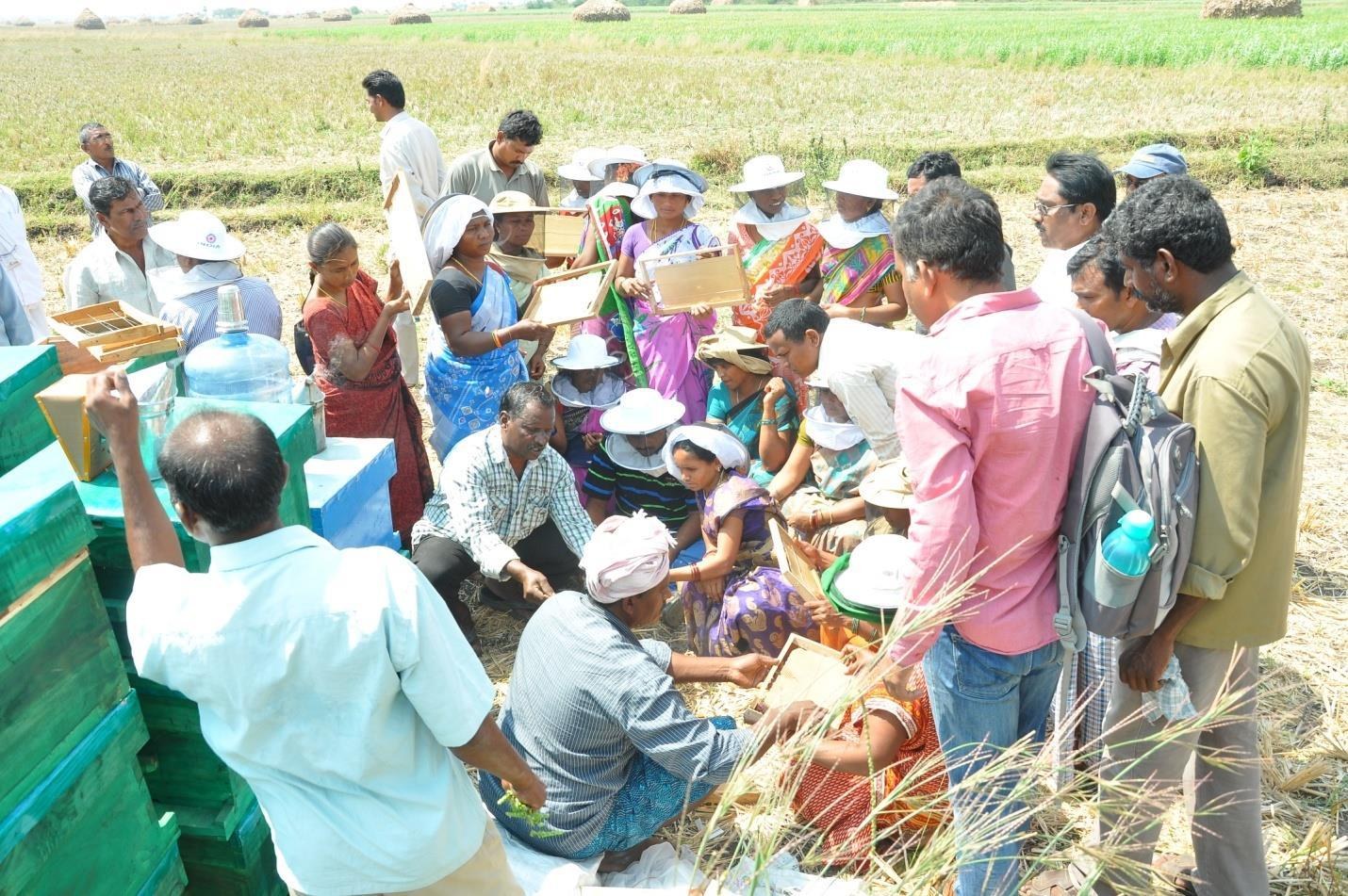
Pesticide exposure remains one of the most practical risks for beekeepers working near crop fields. FAO guidance highlights the need for stronger risk mitigation to protect pollinators, and field experience shows the same lesson: most losses are easiest to prevent before the spray happens.
The solution is a spray-window agreement between the crop farmer and beekeeper. Before colonies are placed, both sides should record the crop stage, expected spray dates, product name if known, time of application, wind condition, and contact number for warning. Spraying should be avoided during active bee foraging. When treatment is unavoidable, the farmer should notify the beekeeper early enough to close, cover, or temporarily shift colonies, and should choose the least harmful option allowed by label directions and local advisory guidance.
Technology centers can support this by giving trainees a one-page agreement format and teaching both sides how to read pesticide labels, watch drift, maintain clean drinking water for colonies, and place hives away from direct spray paths. The result is not anti-farmer and not anti-crop protection; it is coordinated crop protection that does not destroy the pollination service the crop also needs.