
When Honey Prices Fall Below Cost, Beekeepers Need a Local Recovery Plan
A field-level response to low honey prices, falling yields, adulteration pressure, and export disruption affecting Indian beekeepers.
API CULTURE Editorial Desk
Market and Field Support
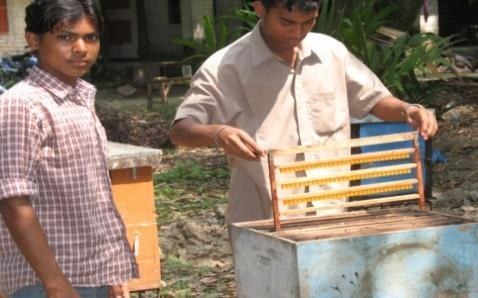
Recent reporting from Punjab shows why beekeeping support must move beyond training alone. Per-hive yields have been reported far below earlier averages, input costs have risen, and market prices have not kept pace. When genuine honey is forced to compete with cheap blended or adulterated product, the beekeeper who maintains colonies properly is the first person punished by the market.
The practical solution is to organize honey around proof, aggregation, and alternate income. Each beekeeper should keep a simple batch ledger: colony count, floral source, harvest date, moisture reading, processing date, and buyer details. Farmer groups can aggregate only tested batches, separate honey by floral source, and negotiate as a quality lot instead of as distress stock. Technology centers can support this by offering moisture testing, batch coding, label guidance, and buyer days where verified honey is shown directly to local retailers, institutions, and bulk buyers.
The second income line is pollination service. Crop farmers need stronger pollination, and beekeepers need revenue before honey is harvested. A local pollination contract should record crop, acreage, colony strength, placement date, spray restrictions, water/shade responsibility, and payment schedule. This turns the beekeeper from a commodity seller into a farm service partner.