
Climate-Interrupted Nectar Flow: Build a Bloom Calendar Before Moving Hives
Migratory beekeeping is becoming more weather-sensitive, so hive movement needs local bloom intelligence and safer route planning.
API CULTURE Training Wing
Climate-Resilient Apiary Practice
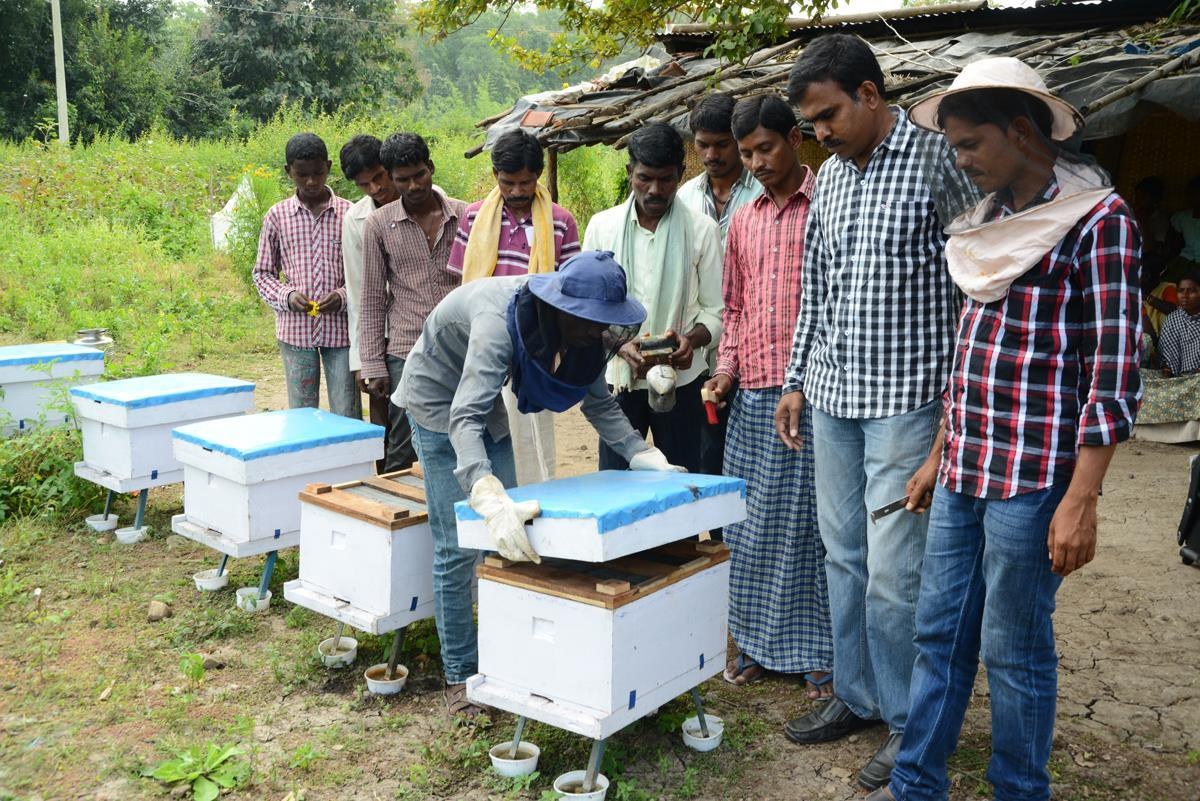
Migratory beekeepers in India have long followed flowering windows, but extreme weather is making that timing less dependable. Reports from Assam describe beekeepers working mustard fields while facing floods, stronger monsoons, heat, and development pressure that can disturb nectar flow and colony behavior. The problem is not only movement; it is moving without fresh local information.
A workable solution is a district bloom calendar maintained with farmer groups, horticulture officers, and beekeepers. It should track major flowering crops, expected bloom weeks, rainfall disruptions, pesticide-heavy windows, water access, shade availability, and safe parking points for colonies. Before a beekeeper moves boxes, the group can confirm three checks: bloom is open, spray risk is manageable, and colonies have a safe resting site.
Technology centers can make this simple. A printed seasonal route map, a WhatsApp update group, and a weekly field call during migration months are enough to prevent many bad moves. In hotter periods, beekeepers should add shade screens, water trays, short inspection windows, and transport at cooler hours. Where local bee species are important for ecology, training should also include how to support native pollinators instead of relying only on migratory colonies.